
Differences Between Stationary Anode and Rotating Anode in X-Ray Tubes
By:Admin
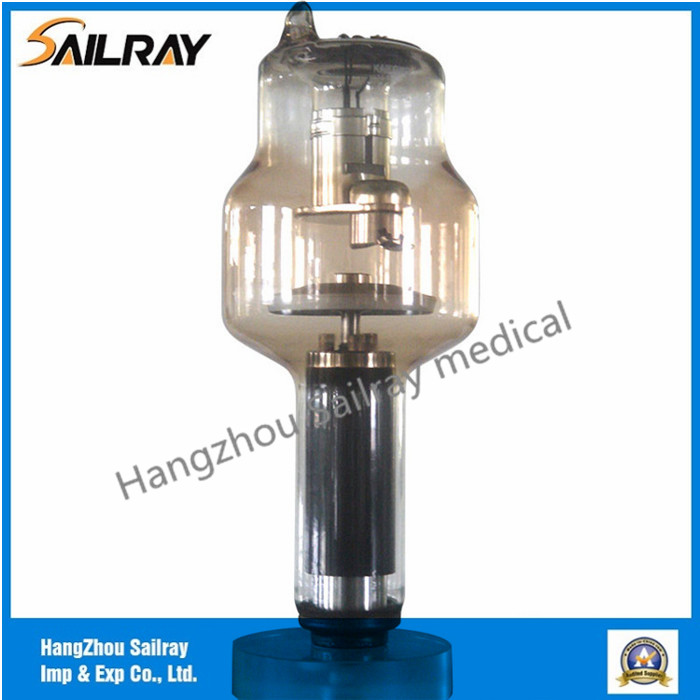
In the ever-evolving field of medical imaging and industrial radiography, X-ray sources continue to play a pivotal role. Central to these X-ray sources are anode designs, which have undergone significant innovations to improve efficiency, image quality, and device longevity. Two primary types of anodes dominate the market today: stationary anodes and rotating anodes. Each has distinct characteristics and applications, tailored to meet the growing demands of medical diagnostics, material analysis, and scientific research.
### Understanding the Basics: Stationary Anode vs. Rotating Anode
The anode in an X-ray tube is crucial for generating X-rays. When high-speed electrons from the cathode collide with the anode, X-rays are produced. This collision generates an enormous amount of heat, and how this heat is managed largely defines the system’s capability and durability.
**Stationary Anodes**
Stationary anodes are simpler in design. As the name suggests, the anode remains fixed in place during operation. This type of anode is typically made from tungsten or tungsten-rhenium alloys due to their high atomic number and melting points, allowing efficient X-ray production and heat tolerance.
Because the heat is concentrated on a small surface area of the anode, stationary anodes have limited heat dissipation capacity. This restricts their usability to low-to-moderate power applications. They are commonly used in dental X-ray units, portable radiography machines, and other devices where lower intensity and compact size are priorities.
**Rotating Anodes**
Rotating anodes represent a significant technological advancement, designed specifically to tackle the problem of heat dissipation. Unlike stationary anodes, the anode disk rotates rapidly during operation, spreading the heat generated over a larger surface area. This continuous rotation prevents localized overheating, enabling the system to sustain higher X-ray intensities and longer exposure times without damaging the anode.
The construction of rotating anodes is more complex. Typically, they consist of a molybdenum or graphite shaft with a tungsten target layer, optimized for both durability and efficient heat management. Due to their ability to handle higher loads, rotating anode X-ray tubes are widely utilized in general radiography, computed tomography (CT), and fluoroscopy.
### The Impact of Anode Type on Medical Imaging
The choice between stationary and rotating anode X-ray tubes significantly influences the performance, cost, and application scope of imaging equipment.
1. **Image Quality and Exposure Time**
Rotating anodes enable the use of higher tube currents and voltages, leading to increased X-ray flux and better image quality. The ability to sustain longer exposures without overheating is crucial for capturing detailed anatomical images and dynamic studies, such as cardiac imaging. In contrast, stationary anodes are best suited for procedures requiring shorter exposures and lower energy.
2. **Equipment Size and Portability**
Stationary anode X-ray tubes are generally smaller and simpler, making them ideal for portable or compact devices. They facilitate quick setup and mobility, which is advantageous in dental offices, remote clinics, and emergency scenarios. Rotating anodes, on the other hand, demand more complex mechanics and power supplies, contributing to larger, more stationary equipment.
3. **Longevity and Maintenance**
Rotating anodes tend to have longer operational lifespans due to improved heat management. However, their complexity can translate to higher maintenance requirements. Stationary anodes are low-maintenance but may require more frequent replacement in high-use scenarios due to thermal stress.
### Industry Trends and Innovations
Recent advancements have focused on enhancing anode materials, cooling technologies, and precision engineering to further boost X-ray tube performance.
- **Material Science**: New alloys and composite materials are being explored to increase thermal conductivity and durability. Innovations like diamond-coated targets and refractory metal layers aim to extend anode lifespan substantially.
- **Cooling Technologies**: Advanced liquid cooling and heat pipe systems are being integrated to supplement the natural heat dissipation of rotating anodes, allowing for even higher power applications.
- **Miniaturization and Efficiency**: Efforts to reduce size and power consumption without compromising output are ongoing, especially in portable X-ray systems crucial for fieldwork and developing regions.
### About the Company
[Company Name] is a leading innovator in X-ray technology, committed to delivering cutting-edge solutions that cater to diverse imaging needs across healthcare and industry. With decades of experience, the company integrates state-of-the-art engineering with rigorous quality control to develop X-ray tubes that set benchmarks in performance, reliability, and safety.
Specializing in both stationary and rotating anode X-ray tubes, the company’s product portfolio addresses everything from compact dental devices to high-end diagnostic imaging systems. Their research and development teams continuously explore new materials and designs, ensuring that end-users benefit from the latest technological advancements.
Furthermore, the company prides itself on its comprehensive customer support and service network, assisting clients worldwide to optimize their imaging solutions and maintain equipment longevity.
### Conclusion
The choice between stationary and rotating anodes is fundamental in designing X-ray systems geared towards specific applications. Stationary anodes provide simplicity, portability, and cost-effectiveness for low-power needs, while rotating anodes enable high-performance imaging with superior heat management.
As technology advances, improvements in anode materials and tube design promise to extend capabilities in both fields. Industry leaders like [Company Name] play a vital role in this evolution, pushing the boundaries of what X-ray imaging can achieve. Whether it is improving diagnostics in hospitals or enabling precise industrial inspections, the interplay of stationary and rotating anode technologies continues to drive innovation and enhance outcomes globally.