
Heavy Metal Filter in Radiology: Enhancing Imaging Quality and Safety
By:Admin
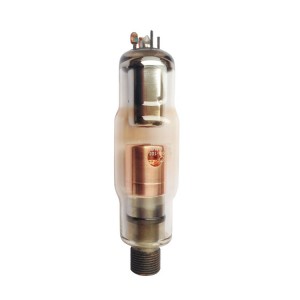
In a significant advancement for the field of radiology, a groundbreaking heavy metal filter technology is poised to transform medical imaging by improving image quality while reducing patient exposure to unnecessary radiation. This new development addresses longstanding challenges in radiological diagnostics by enhancing the clarity and contrast of images, thereby enabling more accurate diagnoses and better patient outcomes.
### Enhancing Radiology through Advanced Filtration
Radiology plays a crucial role in modern medicine, providing non-invasive insights into the human body through various imaging techniques such as X-rays, CT scans, and fluoroscopy. However, one persistent issue in radiological imaging has been the presence of scattered radiation and noise, which can degrade image quality and obscure critical details. Furthermore, excessive exposure to radiation poses health risks, making dose reduction a top priority in the industry.
The introduction of the innovative heavy metal filter marks a major leap forward in addressing these concerns. By selectively filtering out unwanted scatter radiation while maintaining the intensity of the primary X-ray beam, this filter optimizes the balance between image clarity and patient safety. This innovation not only helps achieve higher resolution images but also supports efforts to minimize radiation dosage without compromising diagnostic accuracy.
### Technical Excellence Behind the Filter
The heavy metal filter employs a unique combination of metal alloys, carefully engineered to absorb scattered photons with high efficiency. Unlike conventional filtration methods, which often utilize lighter materials with limited capacity to refine the radiation beam effectively, this technology uses metals known for their superior attenuation properties. This precise filtration leads to reduced noise and artifacts in the final image, enhancing the visibility of subtle anatomical structures and pathological changes.
Moreover, the filter’s design ensures compatibility with a wide range of radiology equipment. Its adaptability facilitates seamless integration into existing imaging units, allowing healthcare providers to upgrade their systems without extensive modifications or downtime. This ease of implementation is expected to accelerate the adoption of the technology across hospitals and imaging centers worldwide.
### Company Commitment to Innovation and Healthcare
Driving this innovation is a company with a rich heritage in medical technology development and a steadfast commitment to improving healthcare outcomes. Known for pioneering advanced diagnostic tools and patient-centric solutions, the company has invested substantial resources in research and development to create this heavy metal filter.
With decades of experience in radiological instrumentation, the company leverages multidisciplinary expertise spanning materials science, biomedical engineering, and clinical research. This comprehensive approach ensures that new products not only meet stringent regulatory standards but also address real-world clinical challenges faced by radiologists and patients alike.
The company’s mission centers on delivering technologies that empower clinicians with better diagnostics while prioritizing patient safety. The heavy metal filter exemplifies this mission, offering a solution that enhances image quality at a lower radiation dose, thereby directly contributing to improved patient care.
### Clinical Impact and Future Prospects
Early clinical evaluations of imaging systems equipped with the heavy metal filter have demonstrated promising results. Radiologists report significantly improved image clarity, facilitating more precise detection of abnormalities such as tumors, fractures, and vascular lesions. This enhancement is especially critical in cases requiring detailed visualization, such as oncology diagnostics and complex orthopedic assessments.
Additionally, the dose reduction capability aligns with global health initiatives advocating for “As Low As Reasonably Achievable” (ALARA) principles in radiation use. By lowering radiation exposure without sacrificing image quality, the filter supports safer imaging protocols for vulnerable populations, including children and pregnant women.
Looking ahead, the company plans to expand the application of this filtration technology beyond conventional radiography. Potential areas include interventional radiology and fluoroscopic procedures, where real-time imaging quality and radiation management are paramount. Ongoing research aims to further optimize the filter’s material composition and configuration to tailor performance for diverse clinical needs.
### Expert Perspectives
Healthcare professionals have welcomed the innovation with enthusiasm. Dr. Elena Ramirez, a leading radiologist, remarked, “This heavy metal filter represents a thoughtful and practical advancement in imaging technology. It empowers us to obtain clearer images that are essential for early and accurate diagnosis, while also enhancing patient safety through dose reduction.”
Similarly, medical physicist Dr. Jonathan Lee highlighted the technical merit of the filter: “The selective attenuation of scatter radiation is a game-changer. It refines the X-ray beam in ways conventional filters cannot, translating into superior diagnostic images. This technology has the potential to set new standards in radiological imaging.”
### Commitment to Accessibility and Training
Recognizing that technology alone does not ensure improved healthcare outcomes, the company is also committed to supporting healthcare providers through comprehensive training programs. Radiologists and technologists will receive detailed guidance on integrating the heavy metal filter into existing workflows, maximizing the benefits while maintaining operational efficiency.
The company emphasizes collaboration with medical institutions globally to facilitate knowledge exchange and gather feedback for continual product improvement. By fostering strong partnerships, the company aims to drive widespread adoption of the heavy metal filter and elevate the quality of radiologic services universally.
### Conclusion
The introduction of the advanced heavy metal filter is a milestone achievement in radiology, marrying cutting-edge materials science with clinical insight to enhance medical imaging. This innovation promises to resolve critical issues related to image clarity and radiation exposure, ultimately advancing the standards of patient care.
As the healthcare industry embraces this technology, radiologists will be better equipped to detect diseases early and accurately, improving prognoses and patient experiences. Supported by a company dedicated to excellence and innovation, the future of radiology looks brighter—and safer—than ever before.